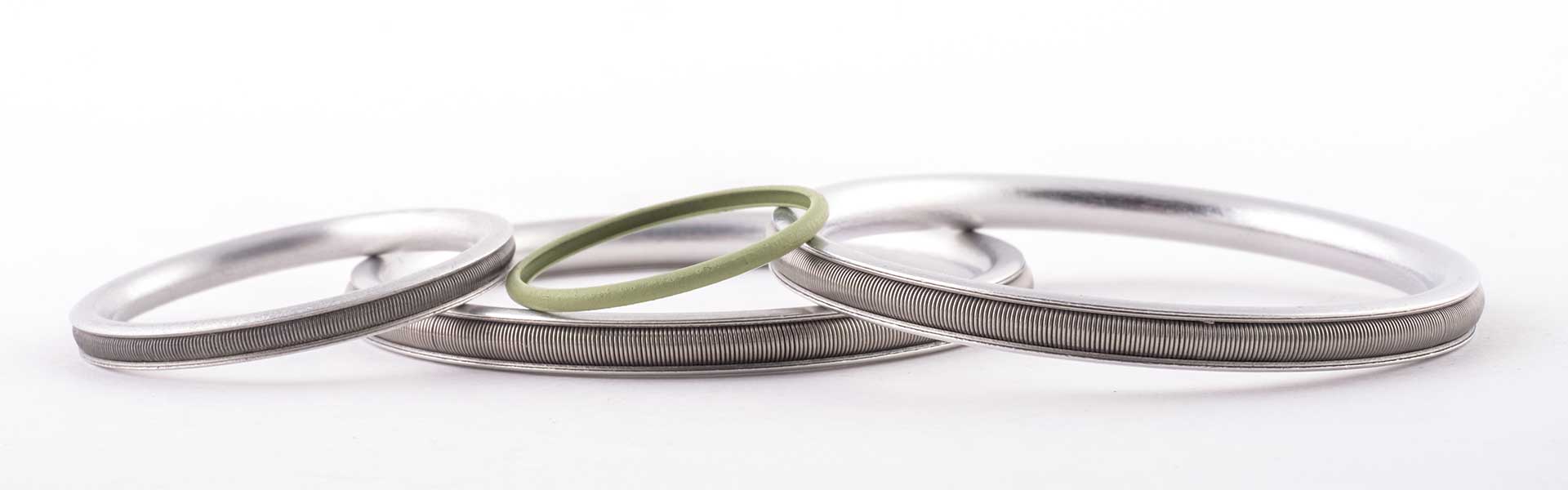
Metal Seals
Metal Seals for Extreme Temperature, Pressure and Vacuum
Metal seals are specified when an application goes beyond what rubber, PTFE or composite seals can handle. Where an elastomer would perish, extrude or simply fail to hold a seal, a metal seal keeps working — in cryogenic plant, superheated steam lines, vacuum chambers, nuclear and aerospace equipment, and anywhere aggressive media or sour service rule out conventional materials. Sealco supplies a complete range of metal sealing solutions, from standard metal O-rings and C-rings through to spring-energised and E-seal profiles, with the platings and heat treatments to match. We’ve been giving impartial technical advice on sealing since 1991, and this page is a practical starting point for choosing the right metal seal for your application.
Types of Metal Seal: O-Rings, C-Rings and E-Seals
There’s no single “best” metal seal profile — the right choice depends on the available groove space, the pressure direction, how much spring-back you need, and how the seal will be loaded. Here’s how our main profiles differ and where each one excels.
Metal O-Rings
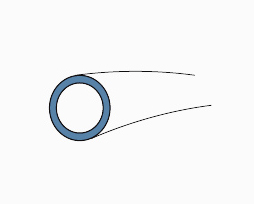
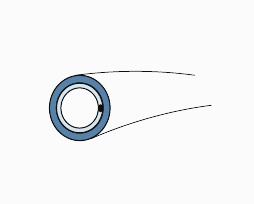
A metal O-ring is a hollow metal tube formed into a ring, often self-energised or pressure-filled to maintain contact force as the joint moves under heat or vibration. They’re a strong first choice for high-pressure, high-temperature flange and pressure vessel joints where a rubber O-ring would be destroyed on day one. Full details, configurations and plating options are covered on our metal O-rings page.
Metal C-Rings
A metal C-ring has a C-shaped cross-section, which gives it lower seating loads than a solid O-ring while still providing strong, consistent sealing force. This makes C-rings a good fit where flange bolting or closure force is limited, or where the mating surfaces aren’t perfectly rigid. We cover profiles, orientation (open ID or OD or face) and sizing on our metal C-rings page.
Spring-Energised C-Seals
Where a standard C-ring doesn’t give enough consistent recovery — for example in applications with repeated thermal cycling, or where bolt load relaxes over time — a spring inside the C-profile keeps the seal lips pressed against the sealing faces even as the joint moves. This spring-energised variant holds its sealing force for longer in service and is particularly useful in cyclic-temperature applications where a passive C-ring might lose contact. It’s built on the same spring-energised principle we use across our wider seal range — see our spring-energised seals for the broader family this sits within.
Materials for Metal Seals
Material choice is driven by the media, the temperature and the degree of corrosion resistance you need. We offer an industry-leading selection of materials, platings and heat treatments across our metal seal range, including:
- Stainless steels for general corrosion resistance and a wide operating temperature range
- Inconel and other nickel-based alloys for the most demanding high-temperature and corrosive-media applications
- Other high-temperature alloys selected to suit specific media, pressure and temperature combinations
Platings (such as silver, PTFE or soft metal coatings) can be added to improve sealing at lower bolt loads or to protect against galling, and heat treatments are used both to set the spring properties of energised profiles correctly and to increase the mechanical and chemical properties of the seal. See our heat treatments page for more on how this affects seal performance.
How to Choose the Right Metal Seal
Getting a metal seal selection right first time means thinking through the same factors every time:
Temperature
Both the base material and any plating need to retain their mechanical and sealing properties at your actual operating temperature, not just survive it briefly.
Pressure and direction
Pressure from inside or outside the seal affects which profile and orientation you need — this is particularly important for C-rings, which can be installed ID-pressurised or OD-pressurised depending on the joint design.
Media compatibility
The fluid or gas being sealed, including any trace contaminants (such as H2S in sour service), determines which combination of base material, plating and heat treatment will resist corrosion and stress cracking over the life of the joint.
Groove dimensions and flange rigidity
Available groove depth and width, surface finish, and how rigid the mating flanges are all affect which profile will seat correctly and maintain leak-tightness under your actual bolt load.
If any of this is unclear for your application, that’s exactly the kind of query we’re set up to handle — send us your drawing or a description of the joint and we’ll recommend a seal configuration rather than just a catalogue part.
Industries We Serve
Our metal seals are specified across industries where failure isn’t an option and standard elastomer seals won’t survive the conditions, including motorsport, pharmaceutical processing, steel manufacturing, oil and gas, and general process plant.
Quality and Compliance
Our metal sealing solutions can be supplied to meet industry compliance requirements such as NACE MR0175, relevant to sour service applications in oil and gas.
Frequently Asked Questions
What is a metal seal used for?
Metal seals are used wherever conditions — extreme temperature, high pressure, vacuum, or aggressive chemical media — would damage or degrade a conventional rubber or PTFE seal. Typical uses include high-pressure flanges, pressure vessels, valves and pumps in process, oil and gas, steel and pharmaceutical plant.
What’s the difference between a metal O-ring and a metal C-ring?
An O-ring has a round, typically hollow cross-section and generally needs higher seating loads but offers strong, reliable sealing. A C-ring’s C-shaped profile needs lower seating force for a given sealing performance, which suits joints with limited bolt load or less rigid flanges.
What is a spring-energised C-seal?
It’s a C-ring with an internal spring that keeps pressing the seal lips against the sealing faces even as the joint expands, contracts or relaxes in service — useful for applications with repeated thermal cycling where a passive C-ring might lose contact over time.
What materials are metal seals available in?
Common choices include stainless steels for general corrosion resistance and nickel alloys such as Inconel, along with other high-temperature alloys, chosen to suit your specific media, temperature and pressure combination.
Can Sealco supply bespoke metal seals, not just standard sizes?
Yes. Our team will work from your drawing, groove dimensions or sample to specify a profile and material that fits — this isn’t always an off-the-shelf part, and we’re comfortable working that way.
Do your metal seals meet NACE MR0175?
We can provide metal sealing solutions to meet NACE MR0175 compliance for sour service applications. Let us know your service conditions when you enquire and we’ll confirm the right material and profile.
If you’re not sure which metal seal profile or material fits your application, call our technical team on +44 (0)1384 413 058, email sales@sealco.co.uk, or use our enquiry form to send us your drawing or specification. We’ll come back with a recommendation, not just a quote.